What if you could build a retail business that operates 24/7, requires minimal labor, and scales without opening physical stores or hiring a large team?
In 2026, the vending machine business has evolved into a powerful model of automated retail. Whether you are searching for a vending machine for sale, evaluating how much a vending machine costs, or learning how to start a vending machine business, this guide will give you a complete, data-backed roadmap.
To start a vending machine business in 2026, you need to select a high-demand niche (such as coffee, healthy snacks, or AI-powered machines), secure high-traffic locations, invest in machines that support cashless payments and remote monitoring, and optimize operations using sales data. Initial investment ranges from $1,500 to $10,000 per machine, with average monthly revenue between $300 and $1,000 depending on placement and product mix. According to industry analysis cited by Forbes Advisor and market research reports, the rapid adoption of cashless payments and smart vending machines has increased transaction value by up to 30% and reduced operational inefficiencies, making vending one of the most scalable entry points into automated retail.
Contents
- 1. What Is a Vending Machine Business in 2026
- 2. Why the Vending Industry Is Growing Rapidly in 2026
- 3. Types of Vending Machines and Their Profit Logic
- 4. How to Start a Vending Machine Business (Step-by-Step)
- 5. Revenue and ROI Analysis
- 6. Scaling the Business
- 7. AI and Smart Vending Machines
- 8. Risks and Challenge
- 9. Global Vending Trends
- 10. Future Outlook (2026–2030)
- Final Insight
- Frequently Asked Questions
1. What Is a Vending Machine Business in 2026
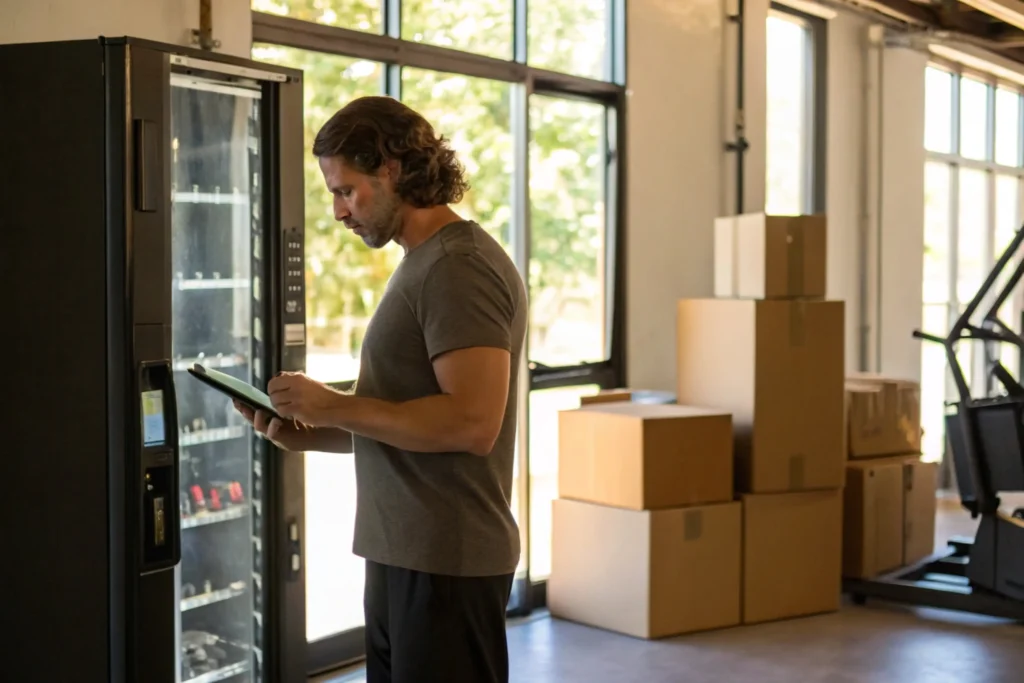
A vending machine business is no longer a simple setup where you place a machine and wait for coins. It has transformed into a distributed retail network powered by automation and data.
Each vending machine functions as:
- A micro retail store
- A data collection point
- A cash flow generator
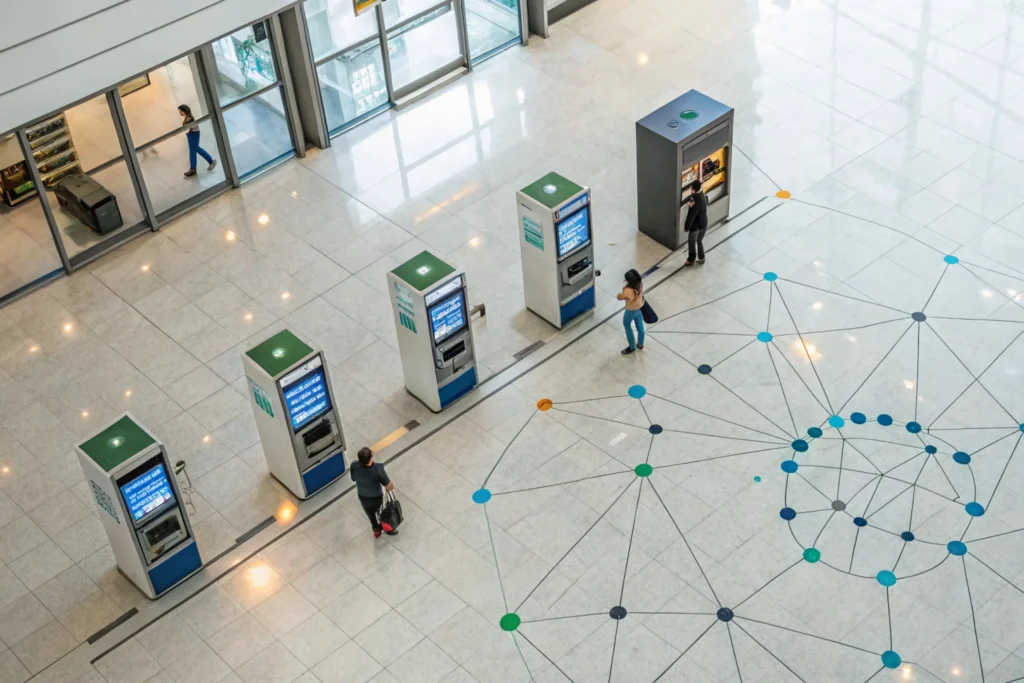
When multiple machines are deployed, you are effectively operating a network of unmanned retail outlets.
The Evolution of Vending
Traditional Model
- Sell snacks or drinks
- Manual restocking
- Cash payments
Modern Model (2026)
- Digital payments dominate
- Machines track sales in real time
- AI optimizes inventory
- Cloud systems manage operations
Market Size and Usage Data
- U.S. vending industry exceeds $21 billion annually
- Over 7 million vending machines operate in the U.S.
- Urban consumers interact with vending machines 3–4 times per week
This frequency explains why even a mini vending machine in the right location can outperform a poorly placed large unit.
What Counts as a Vending Machine Today
The category now includes:
- Snack and beverage machines
- Coffee vending machine systems
- Ice vending machine installations
- Pizza vending machine units
- Toy vending machine and sticker vending machine
- AI vending machine and smart vending machines
- Branded machines like pokemon vending machine, popmart vending machine, and poppi vending machine
Even entertainment and culture influence demand. Terms like reincarnated as a vending machine reflect how mainstream this concept has become.
2. Why the Vending Industry Is Growing Rapidly in 2026
The expansion of vending machines is driven by structural economic and technological changes.
2.1 Cashless Payment Dominance
- Over 70% of vending transactions are now cashless
- Average transaction value increases by 30–40% with digital payment
Consumers spend more when they use cards or mobile wallets. This is a measurable behavioral effect.
2.2 Rising Labor Cost
Retail businesses face:
- Higher minimum wages
- Staff shortages
- Increased operational complexity
A vending machine eliminates:
- Cashiers
- Scheduling
- Training costs
2.3 Consumer Behavior Shift
- More than 60% of consumers prefer self-service options
- Demand for 24/7 access continues to grow
Peak usage times include:
- Morning → coffee purchases
- Afternoon → snack consumption
- Night → convenience-driven buying
2.4 Smart Technology Adoption
- Smart vending machines market growing at ~10% CAGR
- AI reduces stockouts by 20–30%
- Data improves product selection accuracy
3. Types of Vending Machines and Their Profit Logic
Choosing the right type of vending machine directly affects your profitability ceiling.
Table 1: Vending Machine Types and Business Potential
| Type | Monthly Revenue | Margin | Key Strength |
|---|---|---|---|
| Snack vending machines | $300–$800 | 30–40% | Stable demand |
| Coffee vending machine | $800–$2,000 | 50–70% | High frequency |
| Ice vending machine | $1,000–$3,000 | 60%+ | Low labor |
| Pizza vending machine | $2,000+ | 50% | Novelty appeal |
| AI vending machine | $1,500+ | 50%+ | Data-driven |
| Toy vending machine | $200–$600 | 60% | Impulse buying |
3.1 Branded and IP-Based Machines
Examples:
- Pokemon vending machine
- Pokemon center vending machine
- Search demand like pokemon vending machine near me or pokemon vending machines near me
These machines benefit from brand-driven traffic, not just product demand.
3.2 Collectible Economy Machines
- PopMart vending machine
- vending lego
- sticker vending machine
These rely on:
- Emotional purchasing
- Repeat buying behavior
- Limited-edition appeal
3.3 Functional High-ROI Machines
- Coffee vending machine → daily demand
- Ice vending machine → high margin in hot climates
- Pizza vending machine → premium positioning
3.4 Regulated Machines
- Cigarette vending machine
- Vape vending machine
These require strict compliance and are limited in many regions.
4. How to Start a Vending Machine Business (Step-by-Step)
Step 1: Choose the Right Niche
Do not start with a random machine. Select based on:
- Location type
- Customer profile
- Consumption frequency
Example mapping:
- Office → coffee vending machine
- School → snack + toy vending machine
- Gym → healthy snacks
Step 2: Location Strategy (Critical Factor)
Location determines up to 80% of success.
High-Performance Locations
- Offices (canteen vending)
- Hospitals
- Schools
- Transport hubs
Performance Data
- High-traffic location → 3–5x higher revenue
- Poor location → often below $200/month
Step 3: Machine Sourcing
Options include:
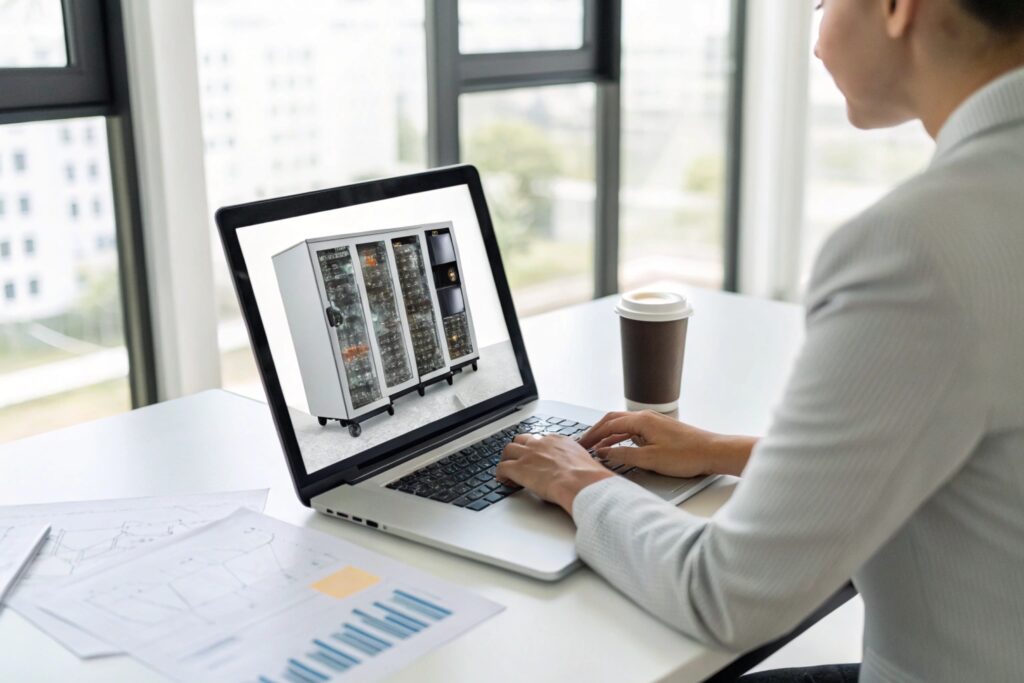
- vending machines for sale (new)
- used vending machines for sale
- 2nd hand vending machine for sale
- Full route purchase → vending machine business for sale
Supplier Ecosystem
- Distributors like canteen vending
- Supply channels such as sam’s club vending
- Operators like vend of the line
Strategy Insight
- New machines → reliability + features
- Used machines → lower upfront cost
Many beginners start with a 2nd hand vending machine and upgrade later.
Step 4: Cost Structure
Table 2: Investment Breakdown
| Item | Cost Range |
|---|---|
| New machine | $3,000 – $10,000 |
| Used machine | $1,500 – $5,000 |
| Inventory | $200 – $1,000 |
| Transport | $100 – $500 |
| Location fee | 5% – 25% |
Key Questions Answered
- How much is a vending machine? → depends on type and features
- How much does a vending machine cost? → typically $1,500–$10,000
Step 5: Product Strategy
Product selection directly impacts revenue.
High-Performing Categories
- Drinks and snacks
- Functional beverages (e.g., Poppi → poppi vending machine)
- Healthy options
- Premium coffee
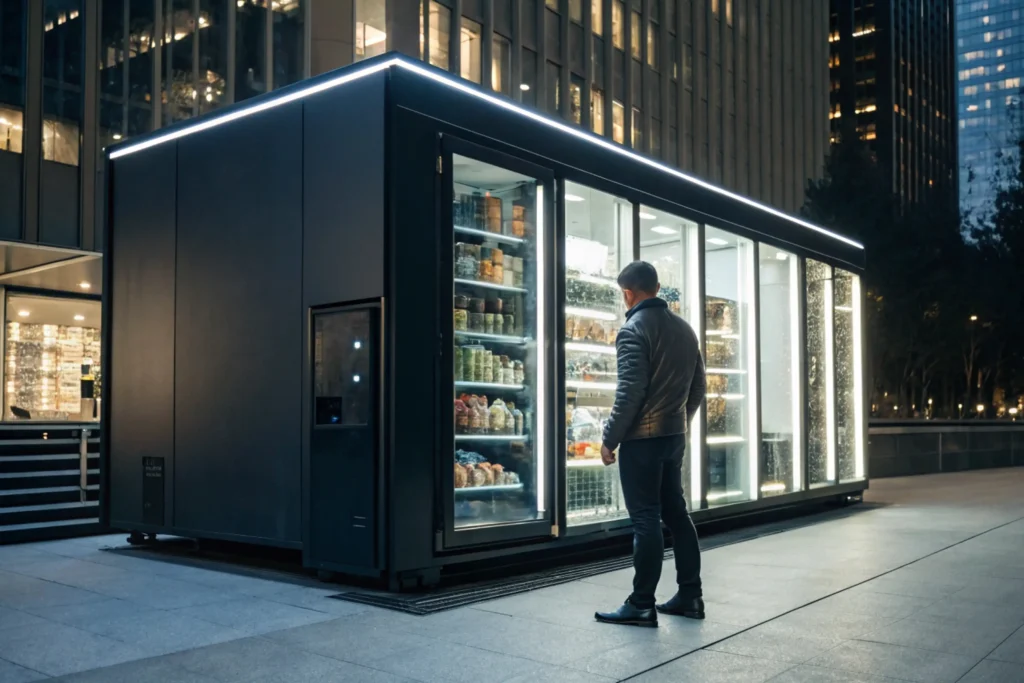
Step 6: Payment Systems
Modern machines must support:
- Card payment
- NFC (Apple Pay, Google Pay)
- QR payment
Cash-only machines limit revenue.
Step 7: Launch and Operations
Core tasks:
- Restocking
- Maintenance
- Data tracking
5. Revenue and ROI Analysis
Table 3: ROI Scenarios
| Machine Type | Investment | Monthly Profit | Payback |
|---|---|---|---|
| Used snack machine | $2,000 | $300 | 6–8 months |
| Coffee vending machine | $6,000 | $1,000 | 6 months |
| Ice vending machine | $20,000 | $2,500 | 8–12 months |
Profit Drivers
- Location quality
- Product pricing
- Payment method
- Machine uptime
6. Scaling the Business
Stage 1: Entry (1–5 Machines)
- Learn operations
- Test locations
Stage 2: Growth (10–30 Machines)
- Optimize routes
- Analyze sales data
Stage 3: System Business (50+ Machines)
- Use smart vending machines
- Centralized management
- Multi-location expansion
At this stage, you are no longer doing simple vending machine vending. You are running a retail network.
7. AI and Smart Vending Machines
What Smart Machines Do
- Track sales in real time
- Predict demand
- Optimize product mix
Performance Impact
- Reduce stockouts by 30%
- Increase revenue by 15–25%
- Reduce labor costs by 20%
8. Risks and Challenge
Common Mistakes
- Poor location
- Wrong product mix
- Ignoring data
- Lack of cashless payment
Real Industry Risk Example
- Food safety issues such as sheehan brothers vending cheeseburger recall
This highlights the importance of supply chain control.
Regulatory Risks
- Cigarette vending machine restrictions
- Vape vending machine compliance
9. Global Vending Trends
Japanese Vending Machines
Japan leads the world with:
- Over 5 million machines
- One machine per ~25 people
They offer:
- Hot meals
- Fresh food
- Unique items
Regional Differences
- U.S. → convenience-driven
- Latin markets → price-sensitive (vendas)
- Asia → innovation-driven
10. Future Outlook (2026–2030)
Key Trends
- AI integration
- Cashless standardization
- Growth of micro markets
What Will Define Success
- Data-driven decisions
- Strong location strategy
- Scalable systems
Final Insight
The most important realization is this:
A vending machine is not the business.
The business is the control of high-traffic retail points combined with automated delivery systems.
Frequently Asked Questions
1. Is owning vending machines a profitable business?
Owning vending machines can be profitable when machines are placed in high-traffic locations and stocked with the right products. Most machines generate $300–$1,000 monthly revenue with margins of 30–60%. Profitability improves significantly with cashless payments, data tracking, and scaling to multiple machines.
2. How many vending machines do you need to make $100k?
To earn $100,000 annually, most operators need between 20 and 50 vending machines, depending on average profit per unit. If each machine generates $300–$500 monthly profit, scaling a network of machines and optimizing locations becomes essential to reach six-figure income levels.
3. Do you need LLC for vending machines?
You do not legally need an LLC to start a vending machine business, but forming one is recommended. An LLC protects personal assets, simplifies tax reporting, and improves credibility when negotiating locations or purchasing machines, especially as your vending business begins to scale.
4. How long does a vending machine take to pay for itself?
Most vending machines reach break-even within 6 to 12 months, depending on machine cost, location, and sales volume. High-performing machines in busy areas can recover investment faster, while low-traffic placements may extend the payback period beyond one year.
5. What is replacing vending machines?
Vending machines are not being replaced but upgraded into smart retail systems. Micro markets, AI vending machines, and unattended retail kiosks are evolving the industry by offering wider product selection, better user experience, and data-driven inventory management rather than eliminating vending entirely.
6. How much do vending machine owners make monthly?
Vending machine owners typically earn $300 to $1,000 per machine per month in revenue, with profits ranging from $100 to $500. Owners with multiple machines can scale earnings significantly, especially by optimizing locations, product mix, and using smart vending technology.
7. How to legally run a vending machine?
To legally operate a vending machine, you typically need a business license, sales tax permit, and possibly a food handling license depending on products. Requirements vary by location, so checking local regulations ensures compliance and avoids fines or operational disruptions.
8. What is one downside to owning a vending machine business?
One major downside is location dependency. A poorly chosen location can significantly reduce revenue regardless of machine quality or product selection. Without strong placement strategy and consistent monitoring, even well-equipped vending machines may fail to generate expected returns.
9. Do you need permission to put vending machines on locations?
Yes, you must obtain permission from the property owner or manager before placing a vending machine. Most agreements involve a commission of 5% to 25% of sales or a fixed rental fee, making location negotiation a critical part of the business.
10. How much is a street vending permit?
A street vending permit typically costs between $50 and $500 annually, depending on city regulations. In some high-demand urban areas, fees can be higher and permits limited, requiring applications, waiting periods, or additional compliance with local business laws.
11. Where can I put a vending machine if I buy one?
You can place vending machines in offices, schools, gyms, hospitals, apartment buildings, and transit hubs. The best locations have high foot traffic and consistent dwell time, as these factors directly influence sales volume and long-term profitability.
12. Can you put a vending machine somewhere for free?
In some cases, you can place a vending machine for free if the location owner benefits from the service. However, most locations require revenue sharing or rent, typically between 5% and 25%, depending on traffic and expected sales performance.