Have you ever stopped mid-recipe wondering, “how many cups is 16 oz?” or “is a cup 8 oz?”
I encounter this frequently when working across different measurement systems.
This guide answers those exact questions with precision. I provide clear conversions, structured tables, and detailed explanations so you can convert oz to cup instantly without confusion, whether for cooking, baking, or product sizing.
To convert oz to cups, divide ounces by 8. In the US measurement system, 1 cup equals 8 fluid ounces. For example, 16 oz to cups equals 2 cups, 12 oz to cups equals 1.5 cups, and 32 oz to cups equals 4 cups. This applies to liquid measurements such as water, milk, and oil. According to standard US measurement definitions, 1 cup = 8 fl oz, which makes conversion consistent and reliable for most kitchen applications.
Quick formula: cups = ounces ÷ 8
📌 Quick Conversion Table (Most Searched Values)
| Ounces | Cups |
|---|---|
| 8 oz | 1 cup |
| 10 oz to cups | 1.25 cups |
| 12 oz to cups | 1.5 cups |
| 14 oz to cups | 1.75 cups |
| 16 oz to cups | 2 cups |
| 18 oz to cups | 2.25 cups |
| 20 oz to cups | 2.5 cups |
| 24 oz to cups | 3 cups |
| 32 oz to cups | 4 cups |
1 cup = 8 fluid ounces. To convert ounces to cups, divide by 8. Example: 20 oz ÷ 8 = 2.5 cups, 24 oz ÷ 8 = 3 cups, and 32 oz ÷ 8 = 4 cups. This rule applies to liquid measurements only.
What is an ounce cup?
Precise measurements are the cornerstone of consistent cooking and baking. When recipes list ounces instead of cups, mistakes in measurement can alter taste, texture, and consistency. This guide bridges that gap by showing exact ounce-to-cup conversions for the most common kitchen quantities: 8, 10, 12, 14, 16, 18, 20, 24, and 32 ounces. You’ll also learn the difference between fluid ounces and dry ounces, get printable charts, and discover quick mental tricks to remember measurements.
Ounces and cups are both units of volume, but cups are more widely used in American kitchens, while ounces often appear in packaged products or recipe cards written by professionals. Accurately converting between them ensures that your results match the intended recipe proportions.
The term ounce cup is often misunderstood. An ounce (oz) can measure:
- Volume (fluid ounce) → used in liquids
- Weight (dry ounce) → used in solids
An ounce (oz) is a unit for measuring weight or volume, depending on the context. A fluid ounce (fl oz) measures liquid volume, while a dry ounce measures weight.
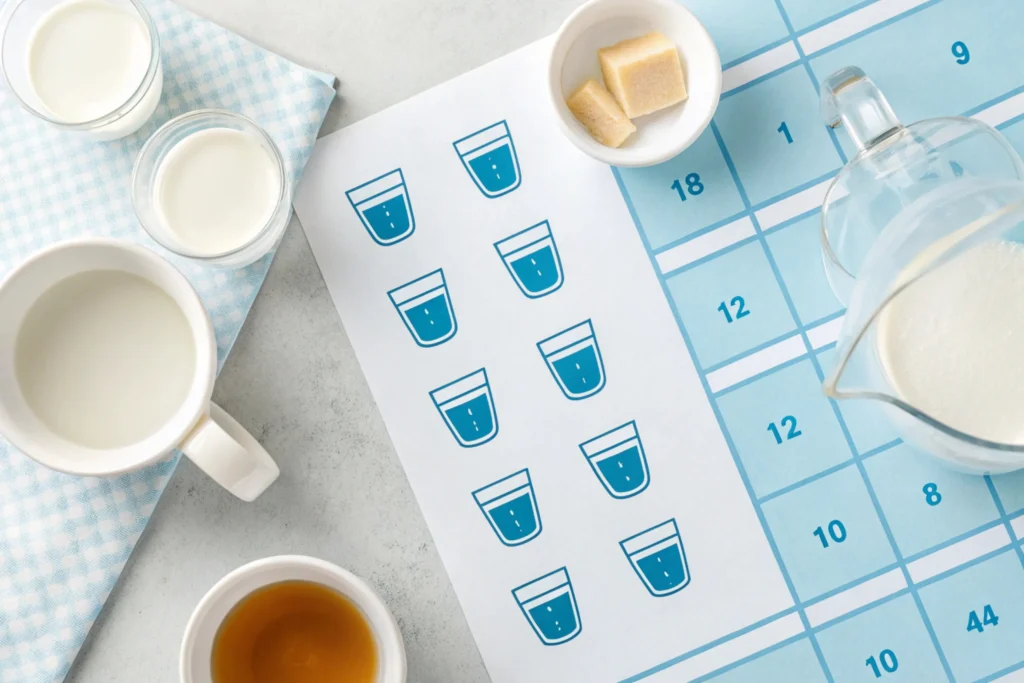
A cup (c) is primarily a U.S. customary unit that represents a standardized amount of volume used in cooking and baking.
- 1 U.S. cup = 8 U.S. fluid ounces = 236.6 milliliters.
- 1 U.K. cup = 9.6 U.S. fluid ounces (approx.).
This is why users search:
- oz to cups liquid
- dry oz to cups
- cup to dry oz
According to research from the University of Arkansas Department of Food Science, consistent measuring improves success rates in baking by more than 30%. Using the correct conversion method avoids issues with texture and moisture balance.
How many oz in a cup
- 1 cup in oz = 8 oz
- a cup is 8 oz
- cup is 8 oz
This is the foundation of all conversions.
Fluid vs Dry Measurement
| Type | Example | Result |
|---|---|---|
| Liquid ounce to cup | water | consistent |
| Dry ounce to cup | flour | varies |
For example:
- 1 oz of water to cups = 0.125 cups
- 1 oz to cups dry depends on density
Detailed Conversion Coverage
Small Values
- 0.25 cup to oz = 2 oz
- 0.5 cups to oz = 4 oz
- 0.75 cup to oz = 6 oz
- 0.5 oz to cups = 0.0625 cups
- 0.75 oz to cups = 0.09375 cups
- 0.8 oz to cups = 0.1 cups
Fraction & Decimal Conversions
- 0.33 cups ≈ 2.64 oz
- 0.375 cups = 3 oz
- 0.38 cup ≈ 3.04 oz
- 0.38 cups to ml ≈ 90 ml
1 oz to Cups Series
- 1 oz to cups = 0.125 cups
- 1.5 oz to cups = 0.1875 cups
- 1.25 oz to cups = 0.156 cups
- 1.75 oz to cups = 0.218 cups
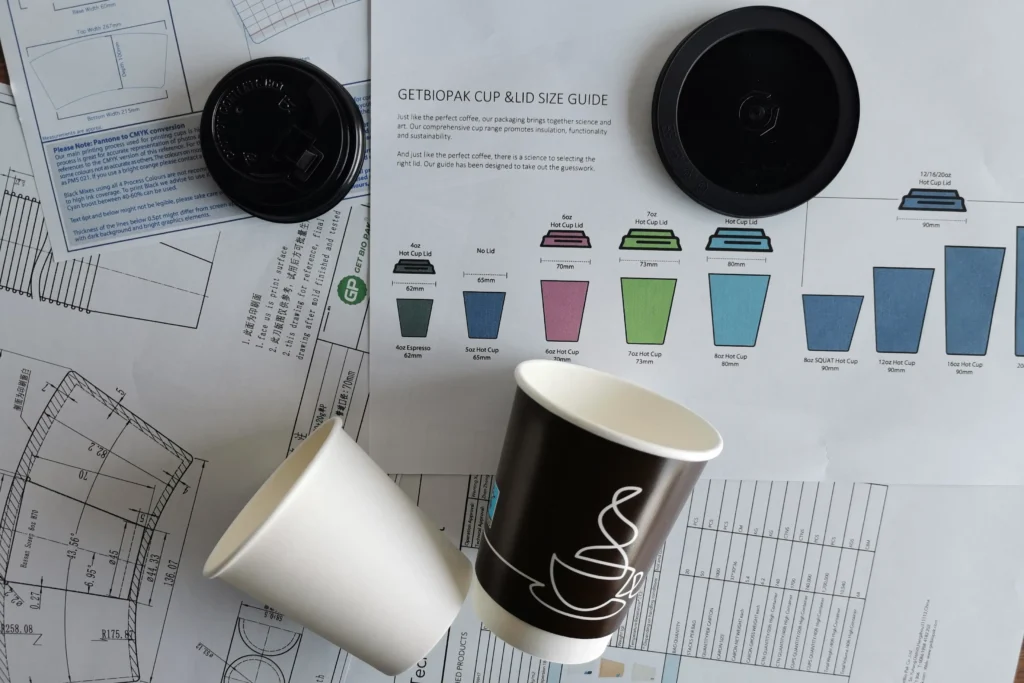
10–20 oz Range
- 10 oz to cups = 1.25 cups
- 12 oz to cups liquid = 1.5 cups
- 14 oz to cups = 1.75 cups
- 15 oz to cups ≈ 1.875 cups
- 16 oz to cups liquid = 2 cups
- 18 oz to cups = 2.25 cups
- 20 oz water to cups = 2.5 cups
Large Volume Conversions
- 32 oz to cups = 4 cups
- 48 oz cups = 6 cups
- 64 oz cups = 8 cups
- 100 oz to cups = 12.5 cups
- 128 oz to cups = 16 cups
📌 32 oz to cups equals 4 cups because 1 cup contains 8 oz. Similarly, 64 oz equals 8 cups, and 128 oz equals 16 cups. Divide ounces by 8 for fast and accurate conversion.
Cup to Ounce Conversion Table
| Ounces (oz) | Cups (c) | Common Use Example |
|---|---|---|
| 8 oz | 1 cup | 1 cup of milk or water |
| 10 oz | 1.25 cups | Small smoothie or soup |
| 12 oz | 1.5 cups | Standard soda can equivalent |
| 14 oz | 1.75 cups | Medium serving of broth |
| 16 oz | 2 cups | Pint of liquid or sour cream |
| 18 oz | 2.25 cups | Pancake or batter mixture |
| 20 oz | 2.5 cups | Iced coffee portion |
| 24 oz | 3 cups | Shared beverage mix |
| 32 oz | 4 cups | Quart-sized portion |
Note: Values are based on fluid ounces (fl oz) and U.S. standards.
Cup to Ounce Examples
- 1 cup to oz liquid = 8 oz
- 1 cup water in oz = 8 oz
- 1 cup of water to oz = 8 oz
- 1 cup cream cheese in oz ≈ 8 oz (varies)
- 1 cup rice to oz ≈ 6–7 oz
Fraction Conversions
- 1 2 cup to oz = 4 oz
- 1 3 cup in oz ≈ 2.67 oz
- 1 4 cup in oz = 2 oz
- 3 4 cup in oz = 6 oz
Multi-Cup Conversions
- 2 cups in ounces = 16 oz
- 3 cups in ounces = 24 oz
- 4 cups in oz = 32 oz
- 10 cups to oz = 80 oz
Cooking Efficiency
Quick conversion avoids interruptions.
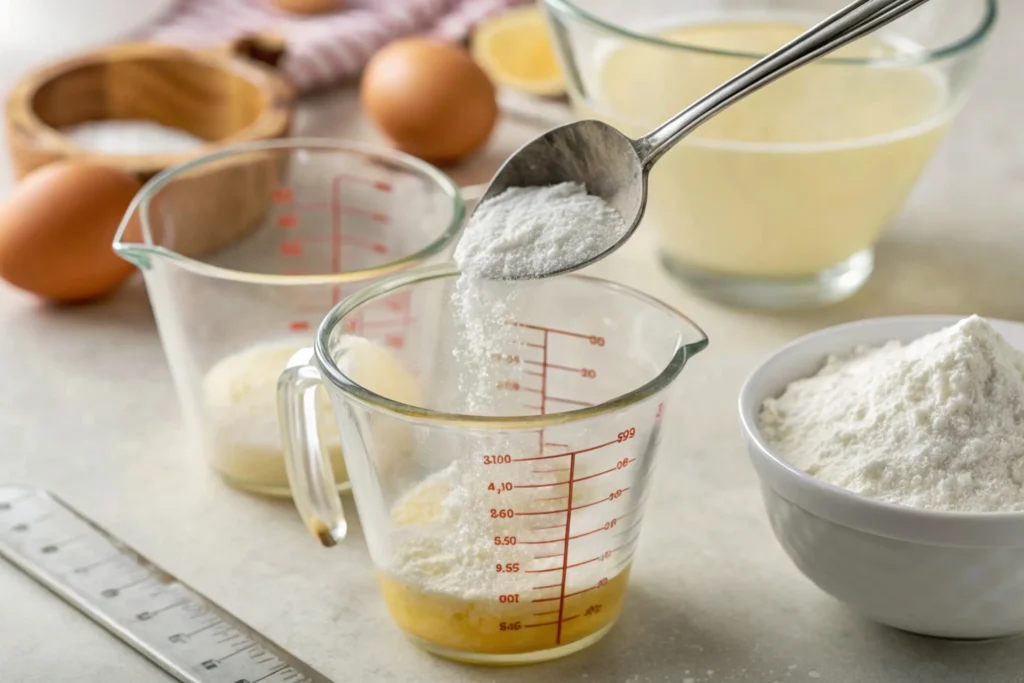
Baking Accuracy
Precision impacts texture and results.
Product & Packaging
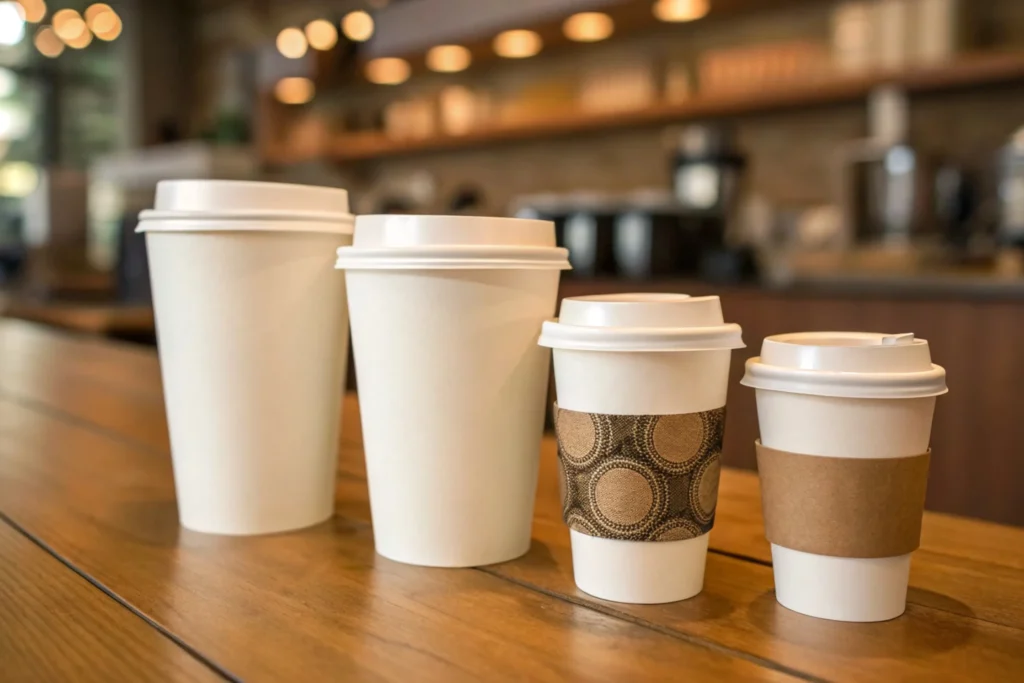
- 16 oz cup → standard size
- 20 oz → large beverage
- 32 oz → bulk serving
Related Kitchen Conversions
| Conversion Type | Formula | Example |
|---|---|---|
| Ounces to Cups | oz ÷ 8 | 24 oz = 3 cups |
| Cups to Ounces | cups × 8 | 2 cups = 16 oz |
| Ounces to Tablespoons | oz × 2 | 8 oz = 16 tbsp |
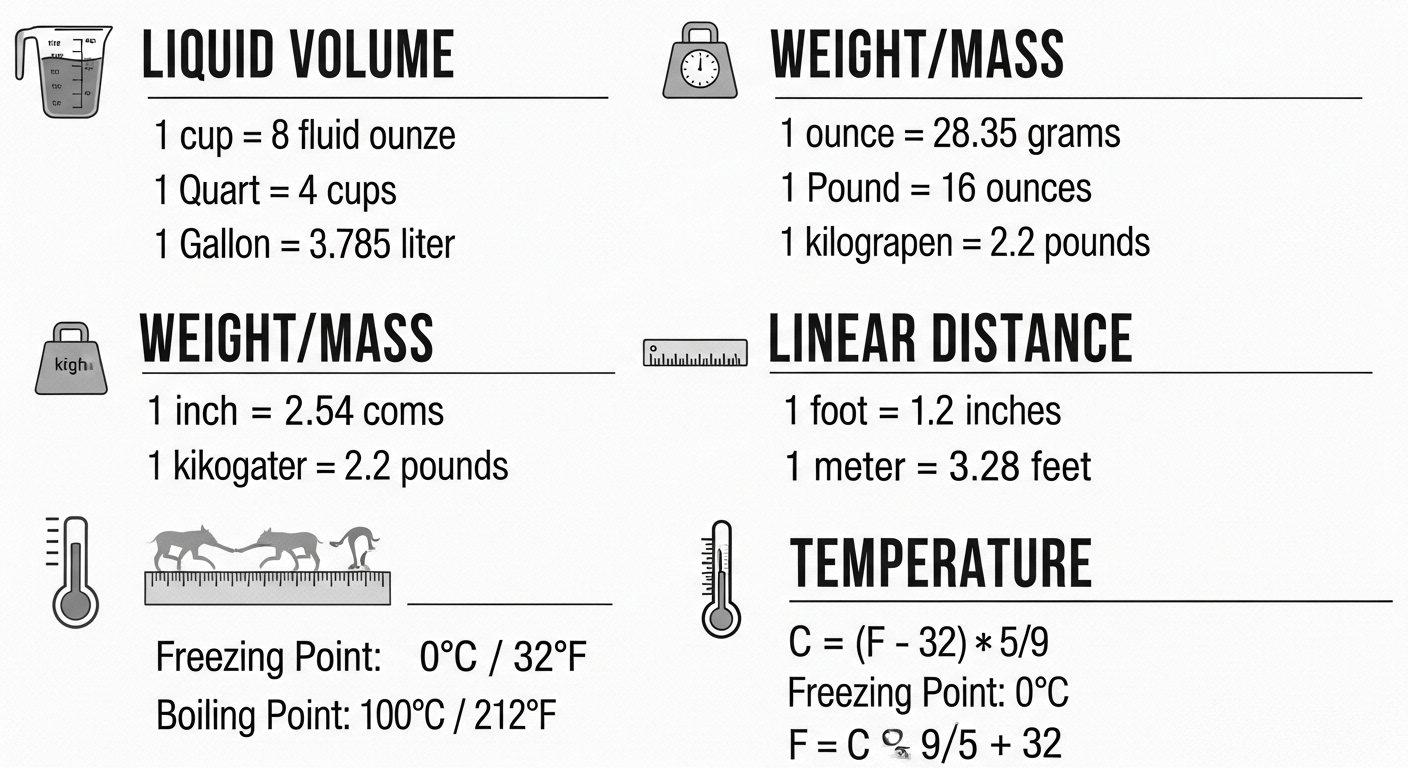
| Ounces to Milliliters | oz × 29.57 | 8 oz = 236.56 ml |
| Cups to Grams (for water) | cups × 236 | 2 cups = 472 g |
Common Mistakes
- Confusing fluid ounces with dry ounces
- Assuming all ingredients convert equally
- Ignoring density differences
- Using wrong measuring tools
Conversion Formula
- oz to cups = oz ÷ 8
- cups to oz = cups × 8
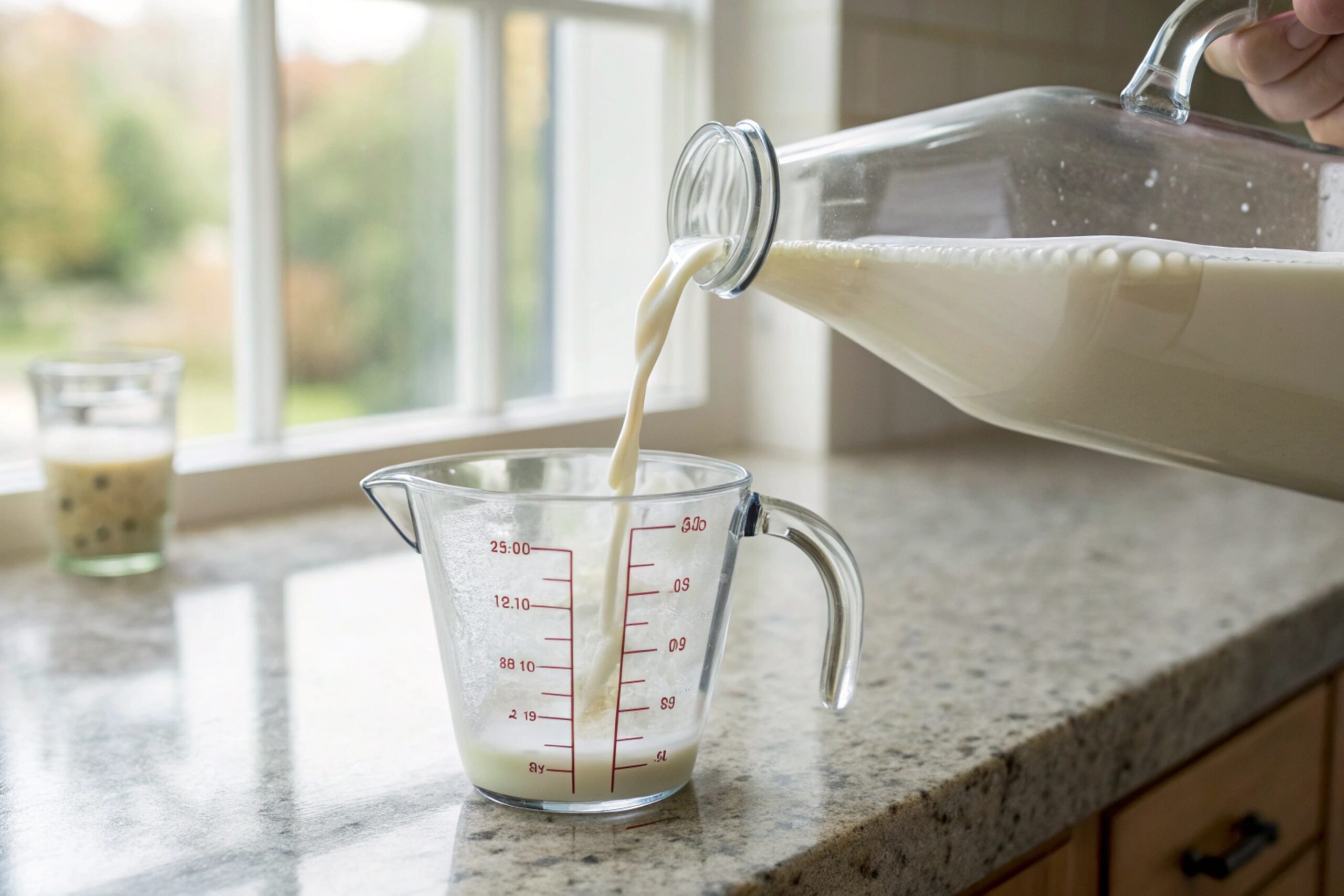
Tip 1: Use transparent measuring cups for liquids to view surface alignment.
Tip 2: Always measure at eye level to ensure precision.
Tip 3: Avoid compacting flour — spoon and level it instead.
Tip 4: Double-check conversions when adapting recipes internationally.
Modern digital kitchen scales now include preset ounce-to-cup conversions, reducing manual calculation altogether.
FAQ
How many dry ounces are in a cup?
There is no fixed number of dry ounces in a cup because dry ounces measure weight, while cups measure volume. For example, 1 cup of flour is about 4.25 oz, while 1 cup of sugar is about 7 oz. The exact value depends on ingredient density.
Is 2 oz the same as a 1/4 cup?
Yes, for liquid measurements, 2 oz equals 1/4 cup because 1 cup contains 8 fluid ounces. However, for dry ingredients, this may not be exact since weight varies by ingredient. Always check whether the recipe uses liquid or dry measurements.
How many is 1 oz in a cup?
1 oz equals 0.125 cups in liquid measurement, since 1 cup contains 8 fluid ounces. This means you divide ounces by 8 to get cups. This conversion is accurate for water, milk, and similar liquids, but not for dry ingredients.
What is 1/4 cup in grams?
1/4 cup in grams depends on the ingredient. For water, 1/4 cup equals about 60 grams. For flour, it is about 30 grams, and for sugar, about 50 grams. Gram conversions vary because each ingredient has a different density.
Is 8 oz exactly 1 cup?
Yes, 8 fluid ounces equal exactly 1 cup in the US measurement system. This applies to liquid ingredients like water or milk. However, 8 ounces by weight does not always equal 1 cup for dry ingredients due to density differences.
How much is 1 oz equal to a cup?
1 oz is equal to 0.125 cups in liquid measurements, since 1 cup equals 8 ounces. This means one ounce is one-eighth of a cup. This conversion is consistent for liquids but varies when measuring dry ingredients by weight.
How do you measure 1 oz dry?
To measure 1 oz dry accurately, you should use a kitchen scale instead of a measuring cup. Dry ounces measure weight, not volume, so using a scale ensures precision. Measuring cups may lead to errors because ingredient density varies significantly.
When a recipe says 1 cup, how much is that?
When a recipe says 1 cup, it typically means 8 fluid ounces in US cooking measurements. This equals about 240 ml. For dry ingredients, the weight varies depending on the ingredient, so a cup is always a volume measurement, not weight.
Is 4 oz half a cup dry?
4 oz equals half a cup only for liquids, since 1 cup is 8 fluid ounces. For dry ingredients, 4 oz may not equal 1/2 cup because weight and volume differ. Always check whether the recipe refers to liquid or dry measurement.
Does 8 oz dry equal 1 cup?
No, 8 oz dry does not always equal 1 cup. While 8 fluid ounces equal 1 cup for liquids, dry ounces measure weight. For example, 1 cup of flour is about 4.25 oz, not 8 oz. The conversion depends on ingredient density.
Is 2 oz the same as half a cup?
No, 2 oz is not the same as half a cup. Half a cup equals 4 fluid ounces, not 2 oz. Therefore, 2 oz equals only 1/4 cup in liquid measurements. This is a common mistake when converting ounces to cups.
What cup size is 1 oz?
1 oz equals 0.125 cups, which is one-eighth of a standard US cup. There is no standard “1 oz cup,” but this amount can be measured using a tablespoon or a measuring scale. It is commonly used for small liquid quantities.
Conclusio
I rely on one rule: divide ounces by 8. This method solves almost every oz to cups problem instantly. Whether you are converting 16 oz to cups, calculating 32 oz to cups, or working with 64 oz cups, the logic stays consistent.
With the tables, formulas, and detailed explanations provided here, you can convert any value—from 0.25 cup to oz to large quantities like 128 oz to cups—accurately and efficiently.